How repair shops prepare a chargeback response
Build a clear chargeback response from recorded estimates, approvals, messages, payments, and delivery records. Follow your processor’s evidence requirements.
Joe Montanti

A customer disputes a repair payment. Your team remembers the job, but the response needs records: what the customer approved, what you completed, what they paid, and how the device was returned.
Start with the dispute notice. Check the reason, response deadline, and accepted evidence formats. Requirements depend on the claim and processor; a good record supports your response without guaranteeing a win. In Square’s process, the customer’s bank decides the outcome. Read Square’s dispute walkthrough.
Build the record during the repair
Keep these records together as the work happens:
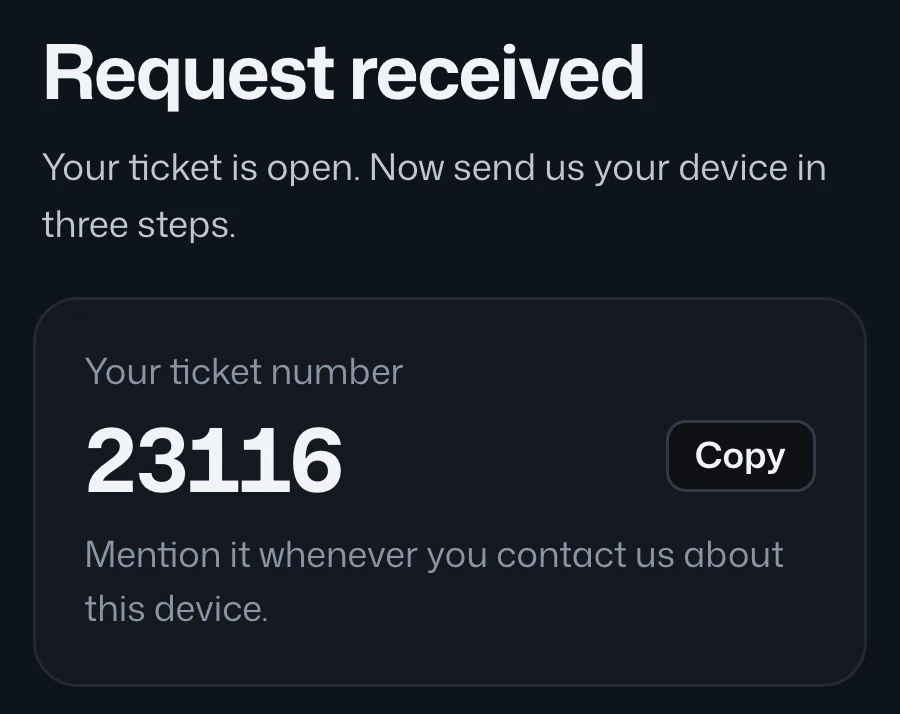
- Check-in: the device, reported problem, condition notes, and intake photos.
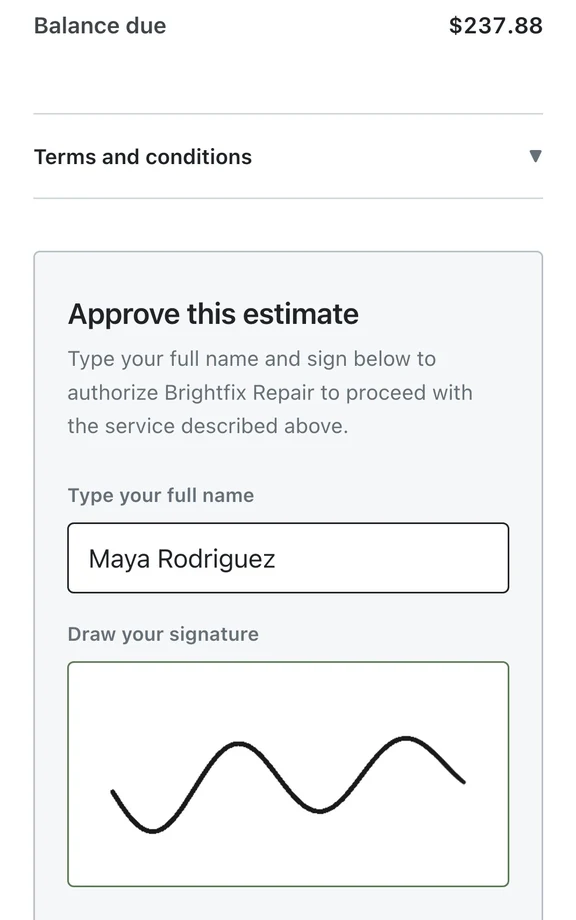
- Estimate and approval: the quoted work, price, and recorded customer approval. Estimate approvals keep that decision with the ticket.
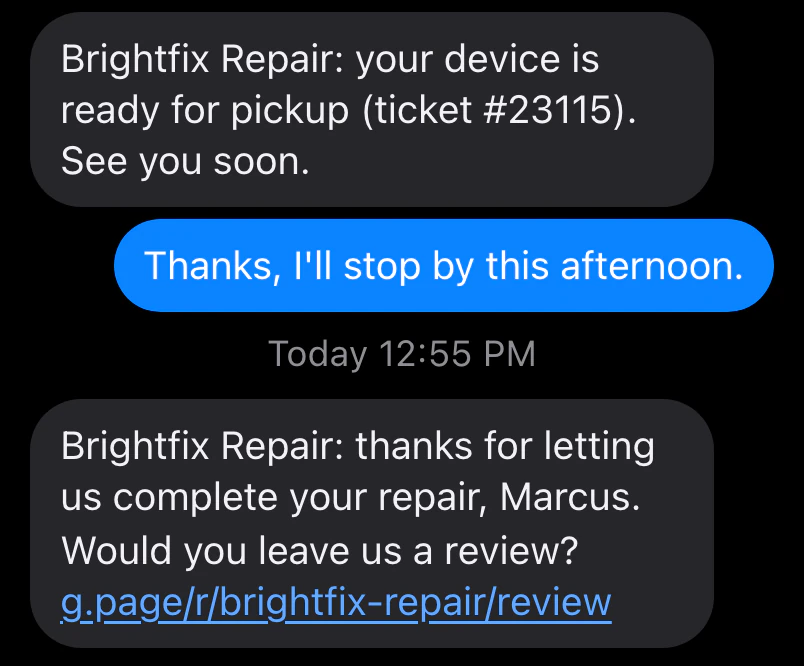
- Communication: relevant customer messages, including changes to scope or timing. Messages sent outside BenchKey need to be collected separately.
- Payment: the invoice, payment record, and receipt delivery result.
- Return: pickup records or shipment tracking relevant to the dispute.
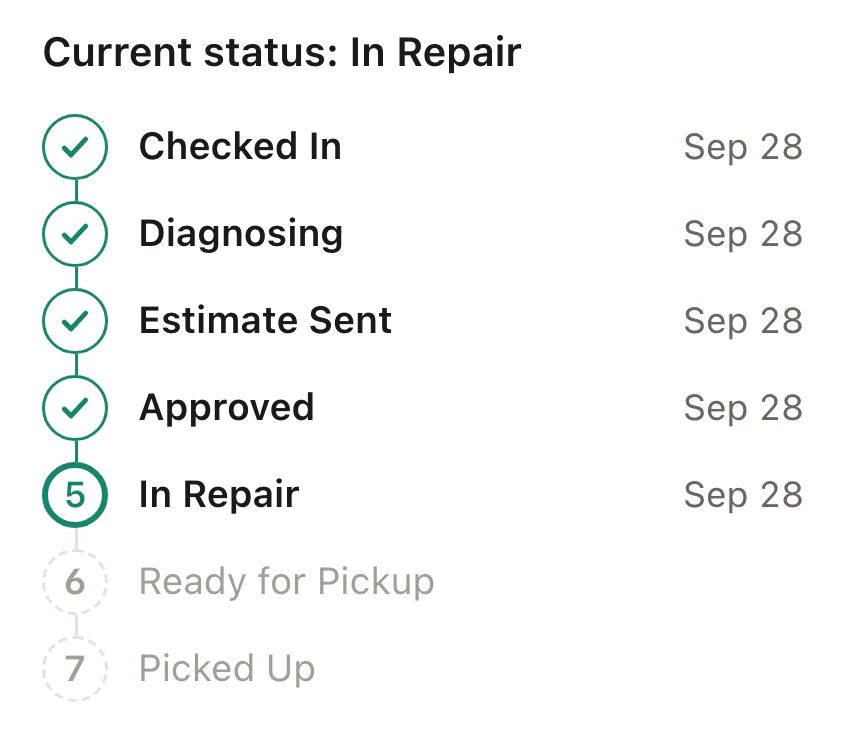
An intake photo can help establish recorded condition. A status change records what staff entered. Neither should be described as independent proof of an event the system did not observe.
Prepare the response
- Read the dispute reason. Choose evidence that answers the specific claim.
- Write a short timeline. Include the dates and amounts supported by your records.
- Attach the requested evidence. Keep it legible, in order, and within the processor’s limits.
- Review before submitting. Check that the records belong to this customer and transaction, remove unrelated internal material, and meet the response deadline.
BenchKey’s Chargeback response opens with a page 1 summary of the disputed charge and recorded facts, followed by the shop’s response and indexed exhibits. The PDF’s SHA-256 hash is stored in the audit log; a changed file no longer matches it. The hash checks the file, not the accuracy of the underlying events.

Keep the documentation useful
Capture condition before work begins, record approval when scope changes, and keep customer replies with the ticket. Check that receipts and updates were actually delivered. When a customer raises a concern, use the record to understand it and respond clearly.
A case file is a starting point for your response. Your processor’s instructions determine what to submit, and a court or bank determines the outcome of a dispute.